Personal care
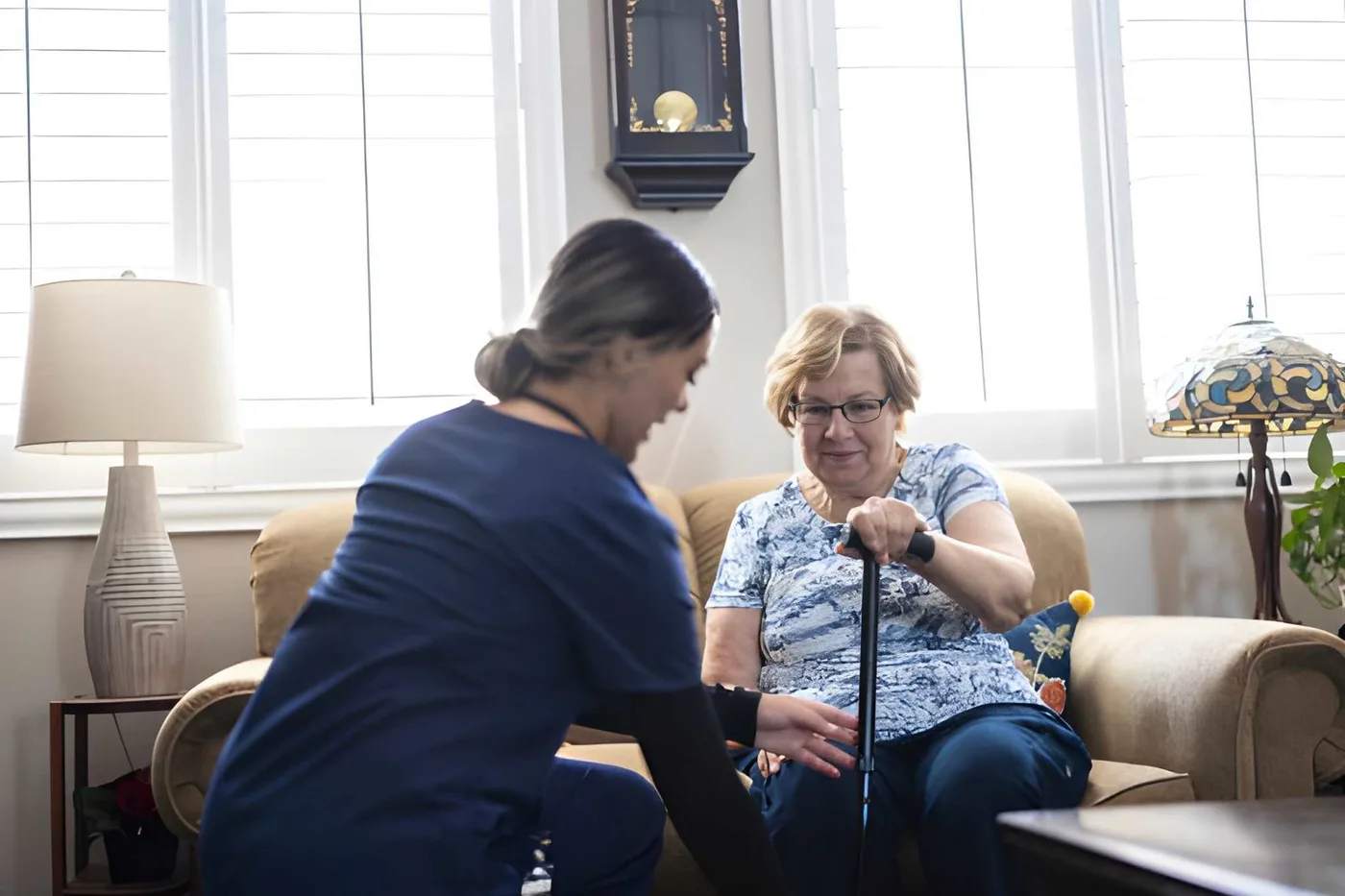
Support with personal routines, mobility, meals, and everyday life at home.
Learn about this careCare shaped around real daily needs.
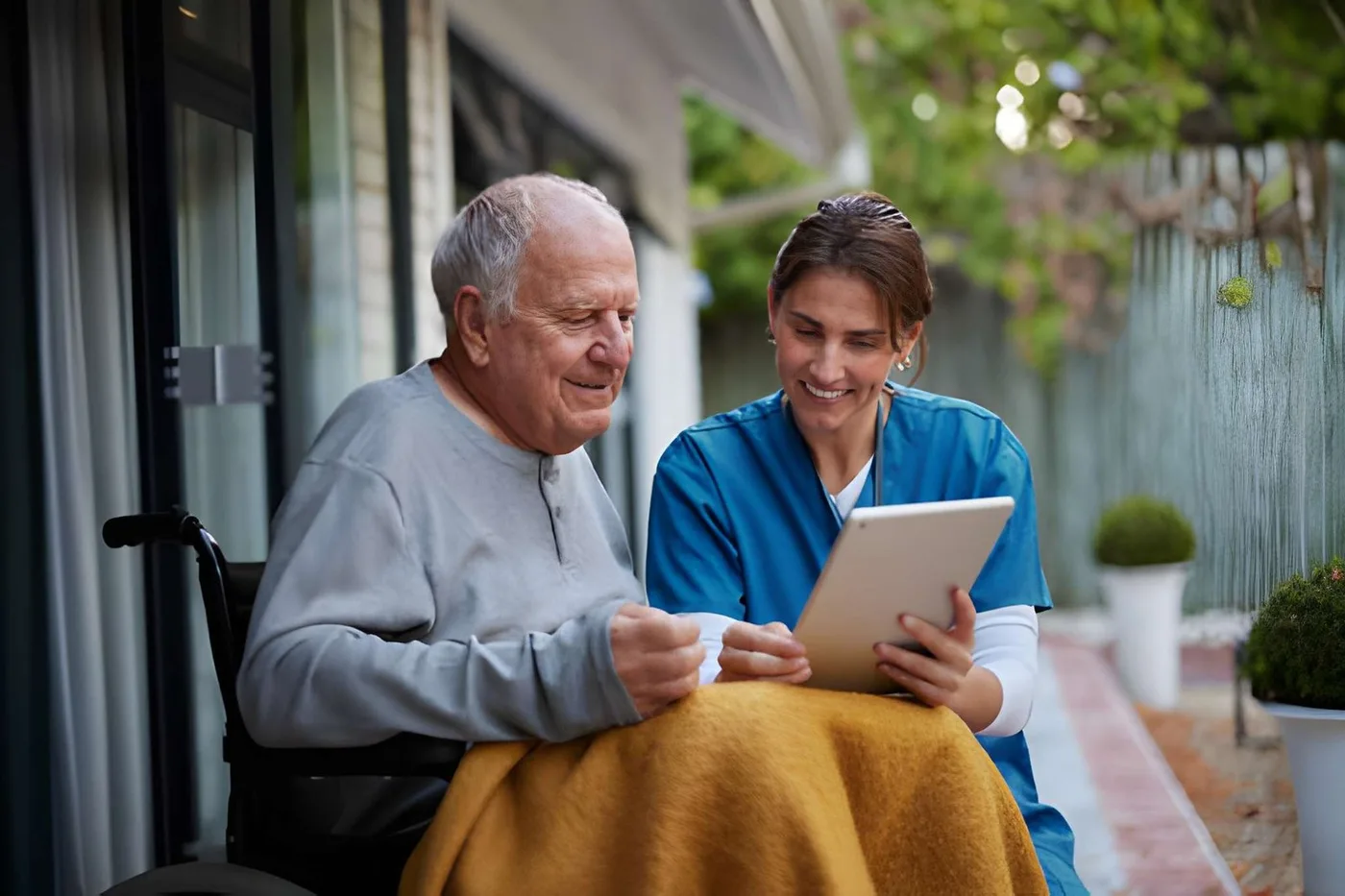
For people living with ongoing health conditions, caregivers can provide non-medical support that respects established routines and clinician guidance.
Who this may help
Examples of support
Exact tasks depend on the assessment, caregiver role, safety, schedule, and agency policy.
What to expect
A focus on the person’s practical goals, preferences, and daily routine
Caregiver tasks that remain within non-medical scope
Coordination with the family’s broader care plan when requested
Common questions
No. Caregivers can support everyday routines but do not provide diagnosis, treatment, or skilled nursing. Medical questions belong with a licensed clinician.
Care needs can change. The proposed process includes ongoing review, but the agency should confirm exactly how care-plan updates are handled.
Support with personal routines, mobility, meals, and everyday life at home.
Learn about this care
Everyday assistance while returning home after surgery, illness, or injury.
Learn about this careSee whether this support fits
Share the general type of help, preferred schedule, and location. Please keep medical records and sensitive health information out of the website form.