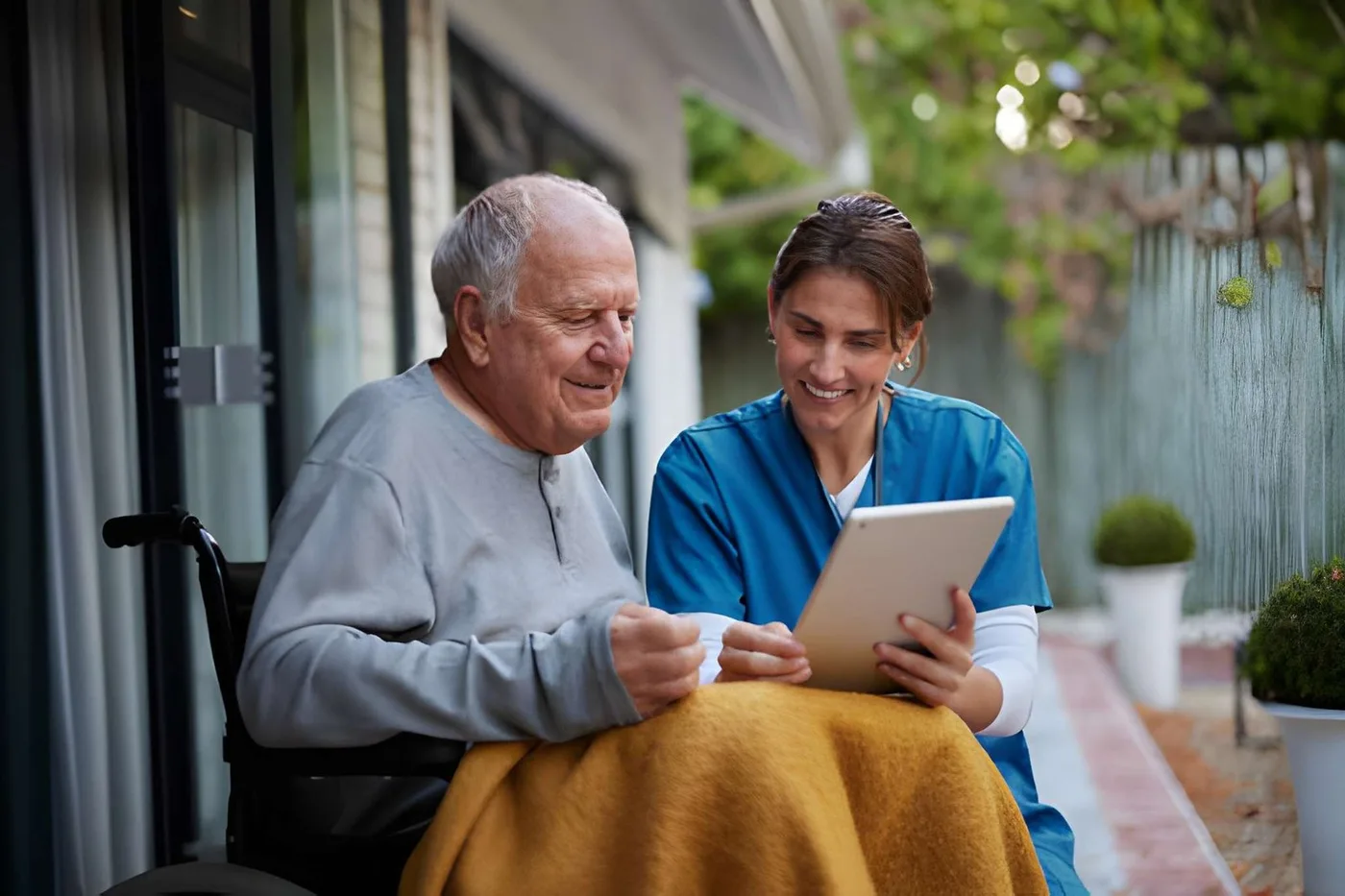
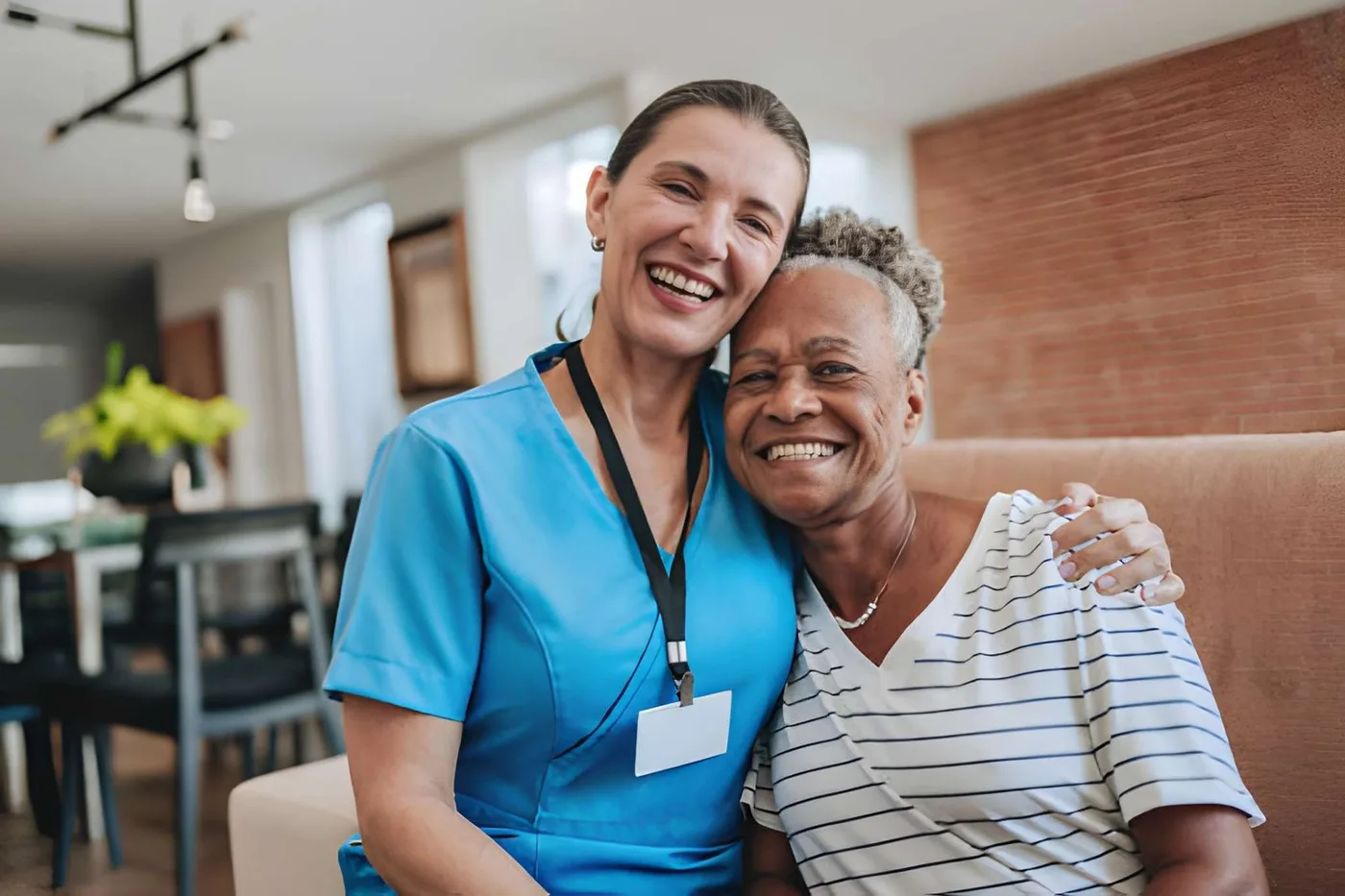
Both services can happen at home, but they serve different purposes and are provided by different kinds of professionals.
What non-medical home care generally includes
Non-medical home care focuses on everyday life: personal care, meals, mobility, companionship, errands, light housekeeping, and caregiver relief. The goal is practical support, not medical treatment.
What skilled home health generally includes
Skilled home health is ordered and overseen by licensed clinicians. Depending on the provider and plan of care, it may include nursing, physical therapy, occupational therapy, speech therapy, or other clinical services.
Many families use both
A nurse or therapist may visit for a defined clinical need while a non-medical caregiver helps with meals, personal routines, transportation, or companionship between visits. Each provider should have a clear role.
Questions that clarify the difference
- Who provides the service, and what credentials do they hold?
- Is the service medical treatment or everyday assistance?
- Who creates and updates the plan?
- How is the service paid for?
- Who should the family call when needs change?
This article is educational and is not a diagnosis, treatment plan, or substitute for advice from a licensed clinician. Call 911 for immediate danger or a life-threatening emergency.